

The short version
Feed-in tariffs are set by what wholesale electricity is worth at the moment you export. Between 10am and 3pm — exactly when your panels peak — millions of other rooftops are exporting too. Wholesale prices in that window now regularly sit near zero, and occasionally go negative. Retailers price their feed-in offers off that reality, which is why most states have slid from 10–12c/kWh to somewhere between 3c and 5c.
What did not change
The value of the power you use yourself. Every kilowatt-hour your home consumes directly from the roof avoids a retail rate of roughly 30–45c. That is six to twelve times what the same unit earns as an export. Self-consumption, not export, is where a modern solar system makes its money.
Three ways to respond
- Shift load into daylight — dishwasher, washing machine, pool pump and hot water on timers is free money.
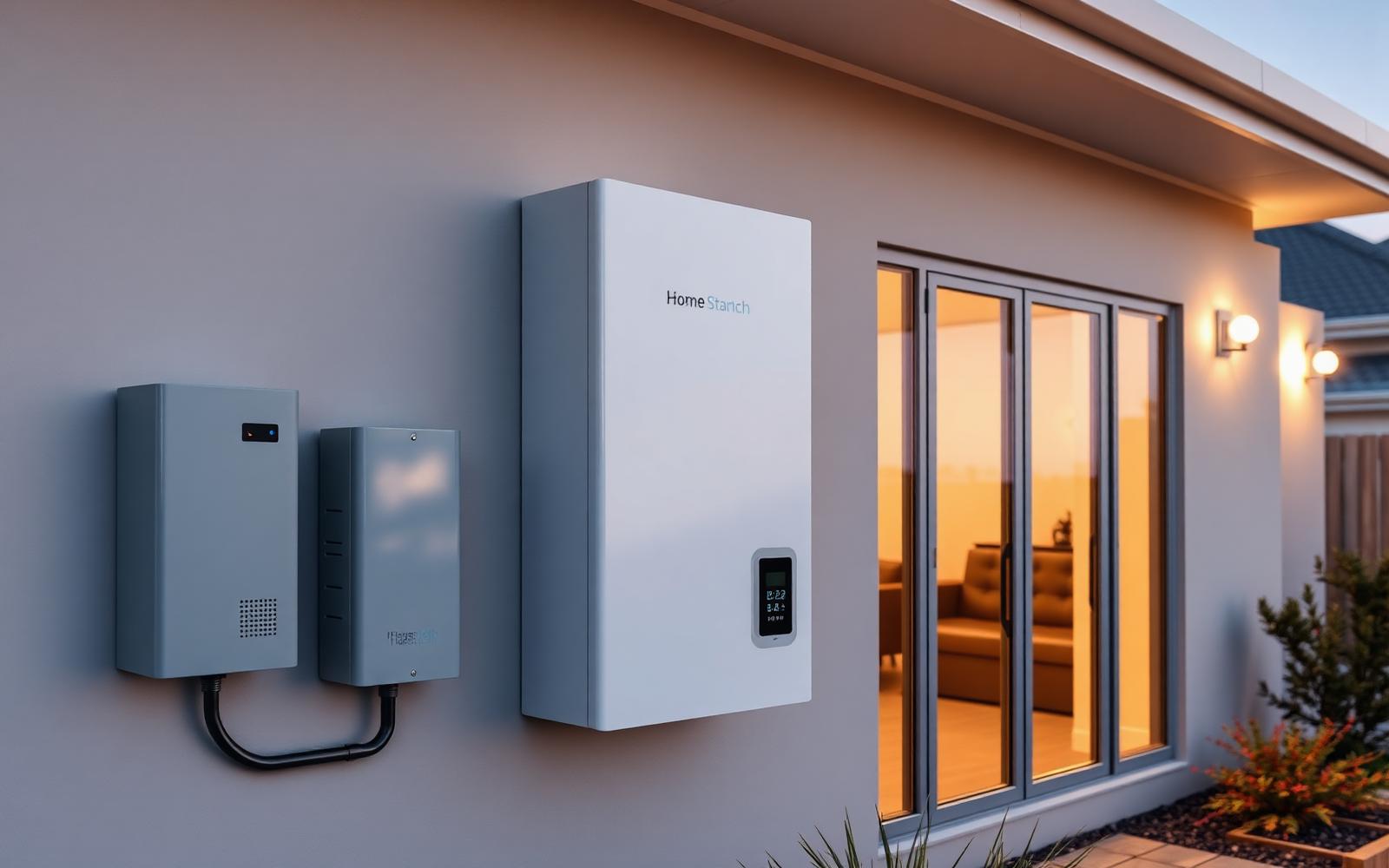
- Add storage sized to your evening peak, so the 4pm–10pm block runs off your own power instead of peak-rate grid.
- Check your retail plan yearly: a high feed-in offer often hides a higher daily supply charge or usage rate.
Does this make solar a bad deal?
No — it changes how a system should be designed. A system sized to dump surplus into the grid has a weak business case in 2026. A system sized around your consumption profile, with storage where the evening load justifies it, still pays back in roughly four to seven years for most Australian households.
When you compare quotes, ignore the headline system size and look at projected self-consumption. If a proposal cannot show you that number, it is guessing.